
When hearing remains the challenge
Consider referring for a bone conduction assessment


“I cannot imagine not having my Osia [bone conduction solution], because I don’t want to miss anything. You get to have all those little special moments again.”
- Robyn, Osia® System recipient
Every patient deserves the best possible hearing outcome
Patients with chronic ear disease, cholesteatoma, otosclerosis, atresia/microtia, stenosis or acoustic neuroma, may experience hearing challenges associated with conductive or mixed hearing loss, or single-sided sensorineural deafness (SSD).
These hearing challenges may persist despite previous interventions such as ear surgery or conventional hearing aids.1-4 For these patients, a bone conduction device may be a suitable solution.
Patients with chronic ear problems may prefer a bone conduction solution over hearing aids due to a decrease in ear infections and fewer ENT visits.5
Patients you may be seeing
If you see patients experiencing any of the following, consider referral for a bone conduction assessment:
Chronic draining ear or outer ear infections
› Patient has difficulty wearing hearing aids
Multiple outer or middle ear surgeries
› Disease managed surgically but hearing remains poor
Acoustic neuroma, or after head and neck surgery
›
Struggling with SSD
›
Traditional hearing aid not suitable
Atresia / microtia / stenosis
›
Significant air-bone gap
›
Physically unable to use hearing aids
Persistent hearing loss may remain despite successful disease management.
Why consider a bone conduction assessment
Early referral for a bone conduction assessment can help patients understand available options, trial technology, and access rehabilitation support sooner. A bone conduction assessment allows patients to:
- Trial using a bone conduction solution
- Evaluate the potential benefits of a bone conduction solution
- Make an informed decision on their treatment options
Referral for a bone conduction assessment supports an informed patient decision and does not commit the patient to treatment.
The referral pathway
Refer
Patient receives information and support to help make an informed decision.
Candidacy evaluation
Bone conduction assessment at clinic and medical assessment as needed.
Device selection
If suitable, patients can consider a surgical or non-surgical solution.
Surgery
For surgical option: A short 1-1.5 hour surgery typically under general anaesthesia.
Activation & ongoing care
Sound processor is switched on and programmed.
Progress updates are provided to the referrer throughout the pathway
When you refer, your patient can receive:
- Support and guidance including information about the latest bone conduction solutions and potential funding pathways*
- Invitations to patient information sessions
- Opportunities to connect with someone who already has a bone conduction solution and learn about their lived experience
- Help to locate and book a bone conduction device trial with the patient’s nearest or preferred clinic
And you receive regular updates. to help you stay informed about your patient’s progress. This is all supported by the Cochlear Engagement Team.^
Refer a patient
Supporting resources
For healthcare professionals
A range of printed brochures for you and your patients are available to order from the Cochlear Collateral Portal. Printed brochures are delivered to your practice as a free service. To request a portal login to start ordering, visit www.cochlearcollateral.com/register or email the Cochlear Collateral Team at custadmin@pmaglobal.co.
Order printed resources
Cochlear® bone conduction solutions
Baha® Start
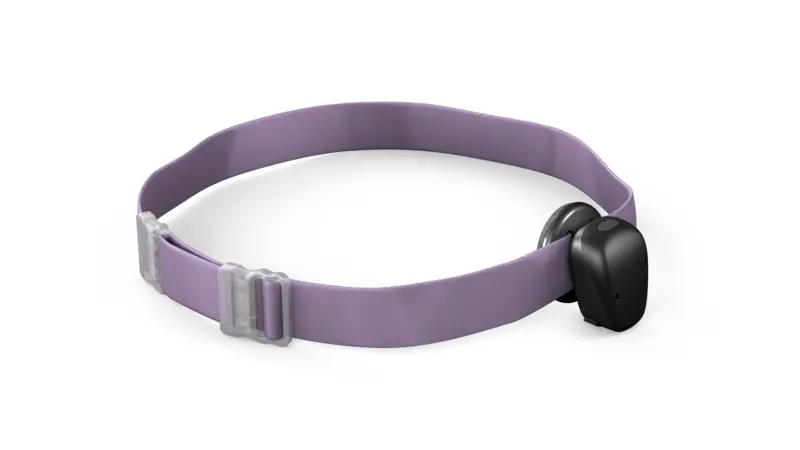
Allows patients to experience a bone conduction solution before deciding on treatment.
Osia® System
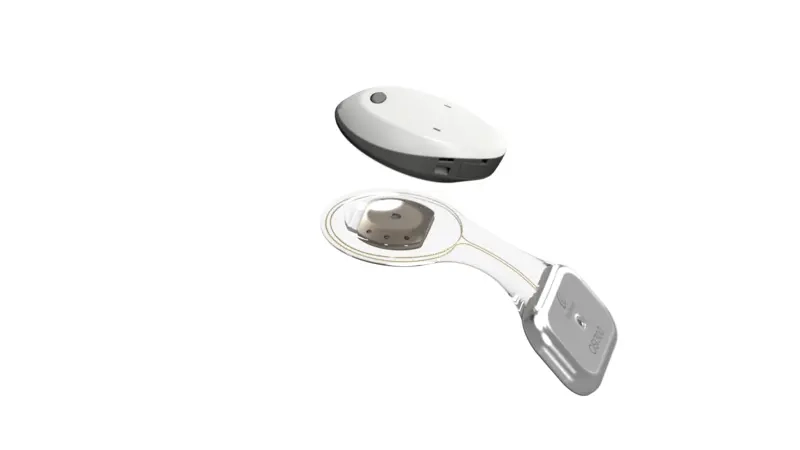
An implantable bone conduction solution for appropriate candidates.
Frequently asked questions
No. A referral is for an assessment and candidacy evaluation.
Yes. Patients can trial a non-surgical bone conduction solution.
With a bone conduction solution, patients may be able to hear better in noisy environments,14,15 enjoy clear, more natural sound,2,16,17 hear sounds as if they are coming from both sides,14,18,19 and become more aware of their surroundings, increasing their ability to hear important sounds or alerts.18-20
Early referral allows patients to understand their options, experience a bone conduction device trial and help make informed decisions sooner.
No. Patients can explore options and complete a bone conduction device trial before deciding on next steps.
Patients who continue to experience hearing challenges after previous intervention may benefit from a bone conduction device trial.
When making a referral, you can make a recommendation to a specific clinic or ENT in the ‘Additional comments’ section of the referral form. Alternatively, the Cochlear Engagement Team can help to locate and book a bone conduction assessment with the patient’s nearest or preferred clinic.
Funding options vary depending on the patient’s circumstances and eligibility.* Funding support may be available through private health insurance, public hospitals, the Hearing Services Program, or the Department of Veterans’ Affairs (DVA). The Cochlear Engagement Team can help patients understand their options.
Referral does not commit a patient to surgery. Patients can explore options and complete a bone conduction device trial before deciding on next steps. Surgical and non-surgical bone conduction solutions are available.
Disclaimer
- Punch R. Employment and Adults Who Are Deaf or Hard of Hearing: Current Status and Experiences of Barriers, Accommodations, and Stress in the Workplace. Am Ann Deaf. 2016;161(3):384-397.
- Hol MKS, Snik AFM, Mylanus EAM, Cremers CWRJ. Long-term Results of Bone-Anchored Hearing Aid Recipients Who Had Previously Used Air-Conduction Hearing Aids. Arch Otolaryngol Head Neck Surg. 2005;131(4):321–325.
- Dun CA, de Wolf MJ, Mylanus EA, Snik AF, Hol MK, Cremers CW. Bilateral bone-anchored hearing aid application in children: The Nijmegen experience from 1996 to 2008. Otol Neurotol. 2010;31(4):615-23.
- Yoshinaga-Itano C. Early Intervention after universal neo-natal hearing screening: impact on outcomes. Dev Disabil Res Rev. 2003;9(4):252-266.
- de Wolf MJ, Hendrix S, Cremers CW, Snik AF. Better performance with bone-anchored hearing aid than acoustic devices in patients with severe air-bone gap. The Laryngoscope. 2011 Mar;121(3):613-6.
- Indorewala S, Adedeji TO, Indorewala A, Nemade G. Tympanoplasty outcomes: a review of 789 cases. Iranian journal of otorhinolaryngology. 2015;27(79): 101-8
- Varshney S, Nangia A, Bist SS, Singh RK, Gupta N, Bhagat S. Ossicular chain status in chronic suppurative otitis media in adults. Indian J Otolaryngol Head Neck Surg. 2010;62(4):421–426
- Schmerber, S, Troussier, J, Dumas G. et al. Hearing results with the titanium ossicular replacement prostheses . Eur Arch Otorhinolaryngol. 2006;63: 347
- Stupp CH, Dalchow C, Grün D, Stupp HF, Wustrow J. Three Years of Experience with Titanium Implants in the Middle Ear. Laryngo-Rhino-Otol. 1999;78(6):299-303
- Ho SY, Battista RA, Wiet RJ. Early results with titanium ossicular implants. Otol Neurotol. 2003;24:149–152
- Gardner EK, Jackson CG, Kaylie DM. Results with titanium ossicular reconstruction prostheses. Laryngoscope. 2004;114:65–70
- House JW, Teufert KB. Extrusion rates and hearing results in ossicular reconstruction. Otolaryngol Head Neck Surg. 2001;125:135–141
- Pontillo V, Foscolo V, Salonna F, Barbara F, Bozzi MT, Messina R, Signorelli F, Quaranta NAA. Hearing preservation surgery for vestibular schwannoma: a systematic review and meta-analysis. Acta Otorhinolaryngol Ital. 2024 May;44(Suppl. 1):S86-S93. doi: 10.14639/0392-100X-suppl.1-44-2024-N2900. PMID: 38745520; PMCID: PMC11098544.
- Kim G et al. Efficacy of Bone-Anchored Hearing Aids in Single-Sided Deafness: A Systematic Review. Otol Neurotol.2017;38(4):473-83.
- Wazen JJ et al. Expanding the indications for the bone anchored hearing system (BAHS) in patients with single sided deafness. American Journal of Otolaryngology - Head and Neck Medicine and Surgery. 2021;42(3):102864.
- Watson GJ, Silva S, Lawless T, Harling JL, Sheehan PZ. Bone anchored hearing aids: a preliminary assessment of the impact on outpatients and cost when rehabilitating hearing in chronic suppurative otitis media. Clin Otolaryngol 2008;33:338–342.5.
- Ellsperman SE et al. Rehabilitation for unilateral deafness – Narrative review comparing a novel bone conduction solution with existing options. American Journal of Otolaryngology - Head and Neck Medicine and Surgery. 2021;42(6):103060.
- Flynn MC, Sadeghi A, Halvarsson G. Baha solutions for patients with severe mixed hearing loss. Cochlear Implants Int 2009;10 Suppl 1:43-7.
- Kunst, S. J. W., Hol, M. K. S., Mylanus, E. A. M., Leijendeckers, J. M., Snik, A. F. M., & Cremers, C. W. R. J. (2008). Subjective benefit after BAHA system application in patients with congenital unilateral conductive hearing impairment. Otology and Neurotology, 29(3), 353–358.23.
- Dutt, S. N., McDermott, A., Jelbert, A., Reid, A. P., & Proops, D. W. (2002). The Glasgow benefit inventory in the evaluation of patient satisfaction with the bone-anchored hearing aid: quality of life issues. JOURNAL OF LARYNGOLOGY AND OTOLOGY, (SUPP/28).7.
Disclaimer
^The Cochlear Engagement Team provides general information about Cochlear products which does not constitute medical advice.
*Conditions and eligibility criteria apply. Please speak to your health insurer and/or healthcare professional to confirm your coverage. The information on this webpage is provided by Cochlear Limited for general information purposes only. Cochlear takes care to ensure the accuracy, currency, authenticity and reliability of the information within this document. However, Cochlear accepts no responsibility for any errors or omissions in the document, nor for any changes or amendments affecting the information which occur after the time of publication. Coverage of surgical and hospital costs will depend on the patient's insurance level. Contact the health insurance provider or the relevant government agency to determine eligibility and coverage.
This material is intended for health professionals. If you are a consumer, please seek advice from your health professional about treatments for hearing loss. Outcomes may vary, and your health professional will advise you about the factors which could affect your outcome. Always read the instructions for use. Not all products are available in all countries. Please contact your local Cochlear representative for product information. Views expressed are those of the individual.
Cochlear, Hear now. And always, the elliptical logo, and marks bearing an ® or ™ symbol, are either trademarks or registered trademarks of the Cochlear group of companies (unless otherwise noted).
D2438053 v1 2026-10